10 najsłynniejszych obrazów w historii sztuki
Introducing the 10 Most Famous Paintings in History
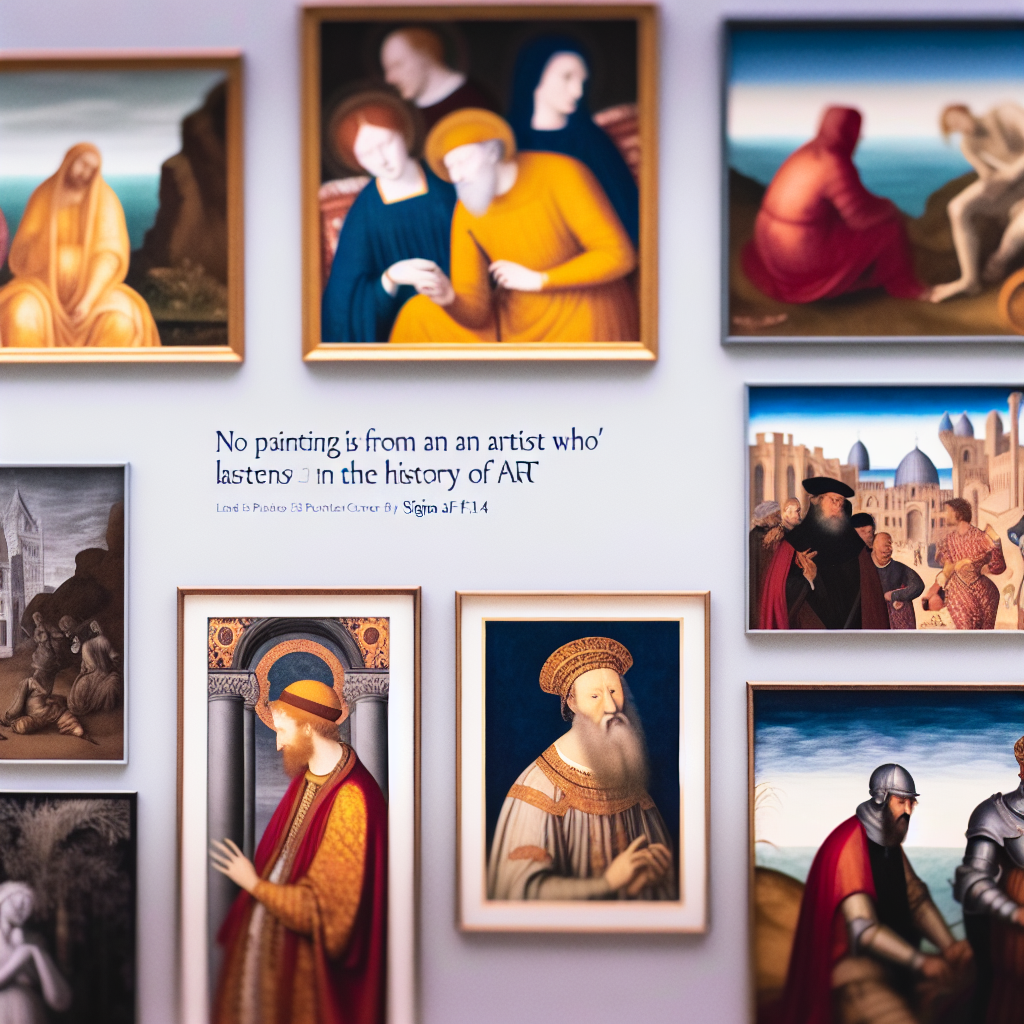
Art has the power to transcend time, and few artworks have stood the test of centuries. This article delves into the world’s most iconic paintings, celebrated for their influence, beauty, and the mysteries they hold. These masterpieces captivate audiences worldwide and are central to understanding the evolution of art.
The Renaissance and Beyond
The Renaissance period was a golden age in art, bringing forth a significant transformation in painting techniques and thematic depth. It marked the emergence of many legendary works. Among the most famous is Leonardo da Vinci’s „Mona Lisa”, renowned for its enigmatic smile and intricate background. Another gem of this era is Michelangelo’s „The Creation of Adam” on the ceiling of the Sistine Chapel, symbolizing the biblical creation narrative with its dynamic composition and profound emotion.
This artistic revolution laid the groundwork for subsequent movements. Moving beyond the Renaissance, we encounter Vincent van Gogh’s „The Starry Night”, a Post-Impressionist marvel capturing the swirling night sky over Saint-Rémy-de-Provence. Its vigorous strokes and vivid colors express Van Gogh’s tumultuous inner world, making it one of the most revered pieces of art history.
Modern Icons and Their Lasting Impact
As we transitioned to modernity, the art world witnessed an explosion of creativity and experimentation. Pablo Picasso’s „Guernica” stands out as a significant modern work, portraying the tragedies of the Spanish Civil War with dramatic intensity and monochromatic hues. This painting is a powerful political statement and a dedication to the horrors of war.
In contrast, Salvador Dalí’s „The Persistence of Memory” challenges our perception of time and reality through its surrealistic portrayal of melting clocks in a desert landscape. This painting invites endless interpretations and remains a cornerstone of Surrealism.
Finally, as we consider contemporary icons, Claude Monet’s series of „Water Lilies” offers a serene, captivating vision that is as much about observing nature as it is about experiencing a painting. Through these works, Monet invites viewers to a contemplative space, showcasing the harmony between art and the natural world.
Conclusion
From the Renaissance to modern and contemporary art, each masterpiece discussed offers a unique lens to experience human emotion and historical context. These ten paintings not only reveal the creativity of their creators but also encourage us to reflect on the enduring influence of art on society. Through their timeless beauty and narratives, they continue to inspire new generations.