Jak działają auta elektryczne: kluczowe elementy i procesy
Introduction
With the growing popularity of electric vehicles (EVs), understanding how they work is becoming increasingly relevant. This article delves into the fundamental aspects of electric cars, exploring their core components and the mechanisms that enable them to operate efficiently. We’ll examine the technology behind electric drivetrains and the benefits of using these innovative vehicles.
Essential Components of Electric Vehicles
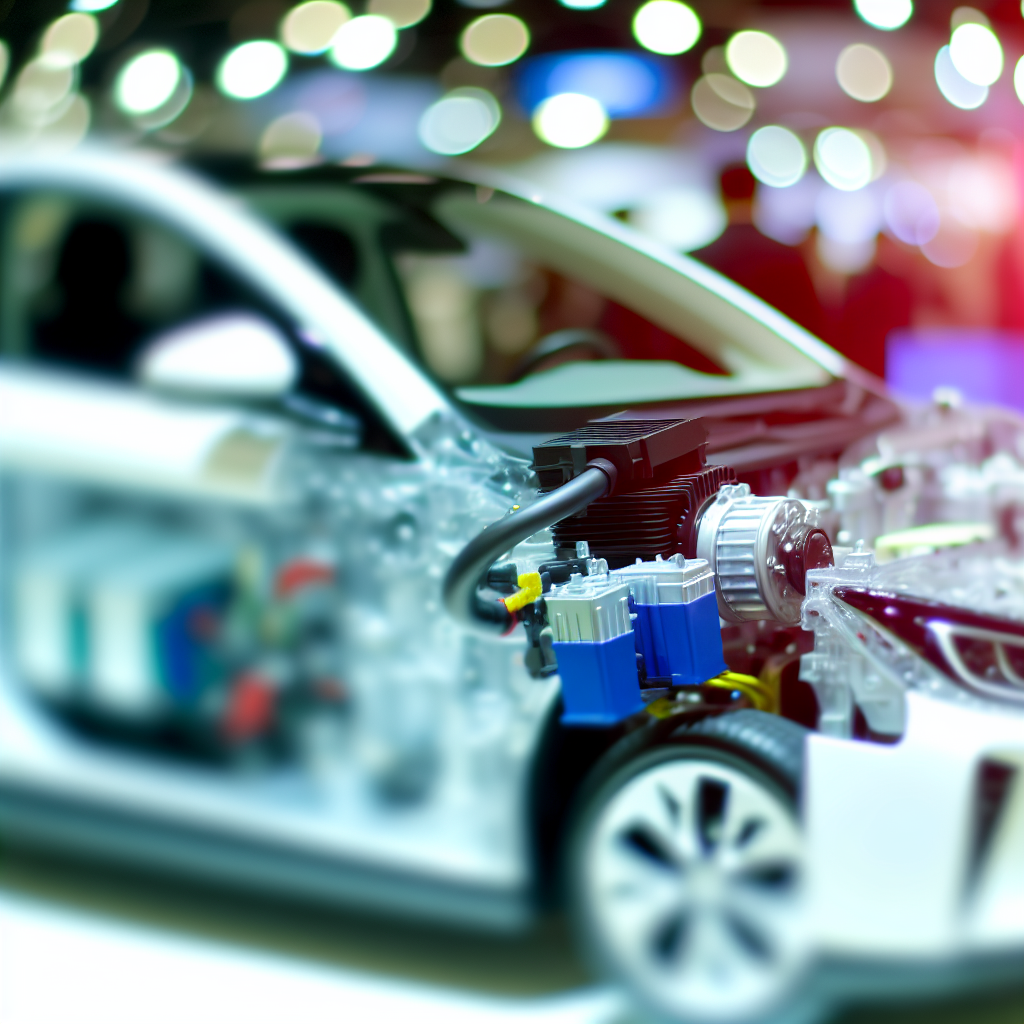
Electric vehicles mainly consist of several key components that differentiate them from traditional internal combustion engine cars:
- Battery Pack: The heart of any electric vehicle is its battery pack. Unlike conventional cars that run on gasoline, electric cars are powered by high-capacity lithium-ion batteries. These batteries store electrical energy, which is used to power the electric motor.
- Electric Motor: An electric motor converts electrical energy into mechanical energy, propelling the car forward. In electric vehicles, the absence of a complex transmission system allows for smooth and efficient power delivery.
- Power Inverter: The inverter is crucial as it transforms direct current (DC) from the battery into alternating current (AC) to run the motor. It also converts AC generated during regenerative braking back into DC to recharge the battery.
How Electric Vehicles Operate
Electric vehicles operate with a simplicity that belies their complex engineering:
- Energy Storage and Supply: During a charge, electricity is stored in the battery pack. Once the car is driven, this stored energy is directed to the power inverter.
- Propulsion System: The electric motor then uses the AC to rotate its rotor, which turns the wheels through a single-speed transmission, unlike the multi-speed gearboxes found in gasoline cars.
- Regenerative Braking: One distinguishing feature of EVs is regenerative braking, which recovers energy usually lost during braking. The motor acts as a generator, feeding energy back into the battery, enhancing overall efficiency.
Conclusion
Electric vehicles represent a monumental shift in automotive technology, utilizing battery packs, electric motors, and power inverters to achieve efficient propulsion. This advanced system not only reduces emissions but also offers greater efficiency and lower maintenance than traditional vehicles. As technology progresses, EVs are set to play an even more prominent role in sustainable transportation solutions worldwide.