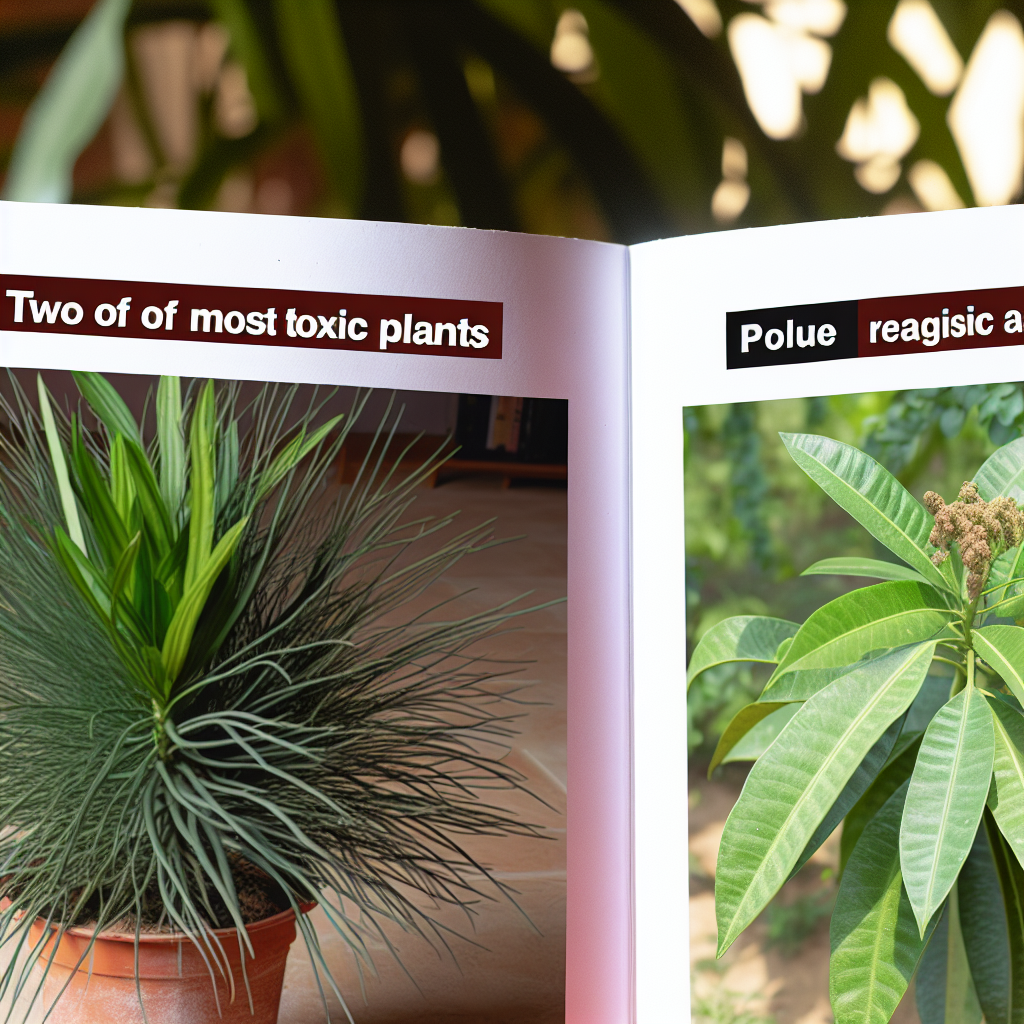
Najbardziej toksyczne rośliny: Oleander, rącznik pospolity
Introduction
The world of flora houses some of the most dangerous and toxic plants that can pose serious threats to humans and animals. In this article, we delve into the world of the most poisonous plants, exploring their unique characteristics, habitats, and the potent toxins they harbor. Understanding these botanical perils is crucial for ensuring safety and promoting awareness.
The Hidden Dangers of Oleander
Native to the Mediterranean and Asia, the Oleander (Nerium oleander) is a beautifully flowering plant that is unfortunately packed with lethal toxins. Every part of the Oleander plant contains the potent compounds known as cardenolides, which can affect the heart. Even a small ingestion can be deadly, leading to symptoms such as vomiting, diarrhea, and heart irregularities. Despite its ornamental beauty, it is crucial to handle Oleander with extreme care, avoid consumption, and keep it away from pets and children.
Beware of the Castor Bean Plant
The Castor Bean Plant (Ricinus communis) is renowned not only for its source of castor oil but also for its seeds, which contain a highly potent toxin known as ricin. Found mainly in Africa and the Middle East, this plant’s bright seeds can be fatally alluring. As little as one castor bean can kill a child, while two or more can be lethal for adults. Ricin works by inhibiting protein synthesis in cells, leading to severe internal damage. This makes the Castor Bean Plant one of the most dangerous plants on the planet, urging cautious handling and planting.
Conclusion
The world of poisonous plants is both fascinating and perilous. The likes of Oleander and the Castor Bean Plant highlight the importance of being informed about the hidden dangers lurking in some of the most beautiful flora. By understanding these plants, we can prevent accidental poisonings and foster a safer coexistence between us and these toxic wonders of nature.